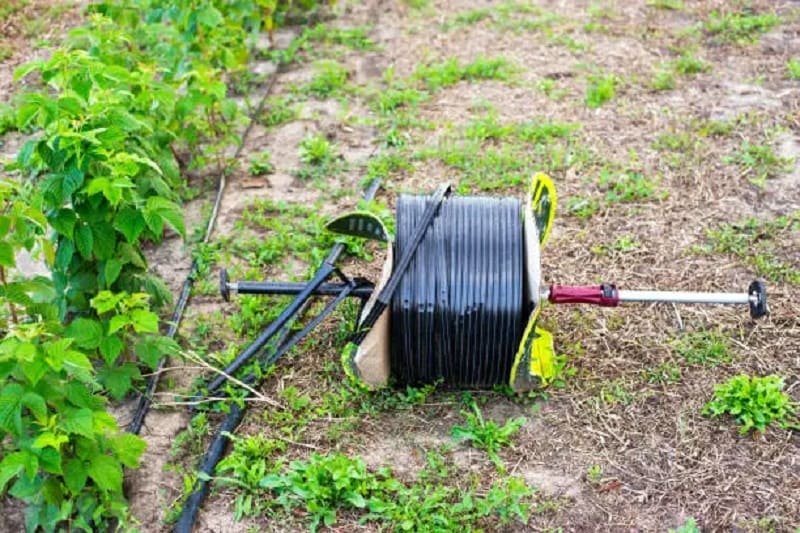
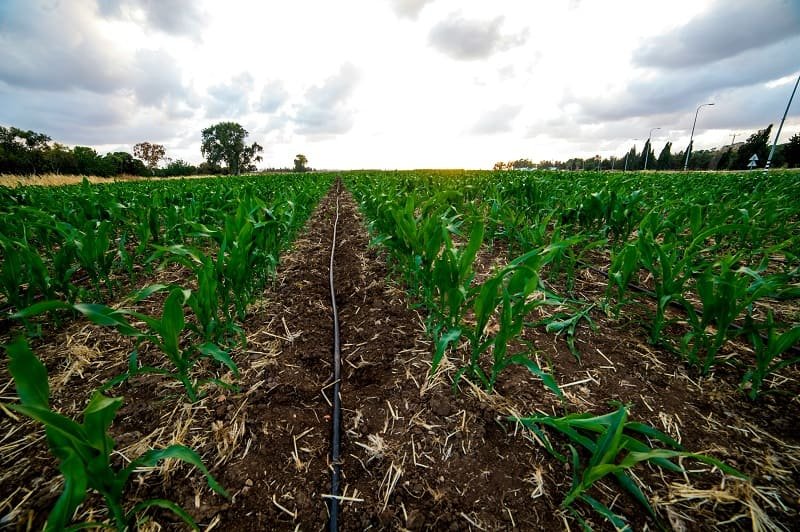
Drip tape is the core component of a drip irrigation system. Choosing high-quality drip tape is critical for water-saving irrigation and ensuring high crop yields. This guide helps farmers avoid common purchasing mistakes and select the right product for efficient agricultural production.
Material Selection
The material of drip tape directly affects its service life and performance. Common materials include
polyethylene (PE) and polyvinyl chloride (PVC).
- Polyethylene offers good flexibility and anti-aging properties, suitable for various climates.
- Polyvinyl chloride is more wear-resistant but tends to become brittle in low temperatures.
Select drip tape with moderate, uniform wall thickness for durability without compromising ease of installation and use.
Emitter Type
Drip tape emitters are available in inline and on-line types.
- Inline emitters are embedded inside the tube, creating a smooth surface ideal for flat fields.
- On-line emitters are attached externally, making installation and maintenance easier, though more vulnerable to physical damage.
Choose based on field conditions: on-line emitters work better in weedy or uneven terrain.
Flow Rate & Pressure Requirements
Flow rate (measured in L/h) and operating pressure (kPa) must match your water source and irrigation system.
- Sandy soil needs higher flow rates for adequate infiltration.
- Clay soil requires lower flow rates to prevent waterlogging.
Measure your water source pressure and flow before purchasing, and verify compatibility with the drip tape specifications.
Anti-Clogging Performance
Clogging from poor water quality reduces irrigation efficiency. Look for designs with:
- Self-cleaning emitters
- Larger flow channels
- Built-in filtration
For water with high sediment content, use an additional filter to improve system reliability.
Length & Diameter
Select length and diameter based on irrigated area and layout.
- Longer runs need higher pressure to maintain uniform flow.
- Larger diameter tubes carry more water but cost more.
Calculate coverage area and follow the manufacturer’s recommendations for optimal sizing.
Connection Methods
Common connections include push-fit, threaded, and quick-connect fittings.
- Push-fit: simple installation, may require extra seals to prevent leaks.
- Threaded: secure, ideal for high-pressure systems.
- Quick-connect: easy to disassemble and adjust; check seals regularly for long-term use.
Choose based on installation convenience and system stability.
Price & Total Cost
Prices vary by material, features, and brand. Prioritize durability and suitability over low upfront cost. Higher-quality drip tape reduces repair and replacement expenses long-term. Energy-efficient designs also lower ongoing irrigation costs.
Installation & Maintenance
- Install according to the manufacturer’s instructions; lay flat and avoid twisting or folding.
- Inspect regularly for damage or clogging; clean filters and components.
- Store in a cool, shaded area during off-seasons to extend service life.
Environmental Adaptability
Select products suited to your local conditions:
– High-temperature areas: choose UV-resistant materials.
– Windy areas: use reliable fastening methods.
Refer to local user experiences or consult professionals for best results.
Brand & After-Sales Service
Choose brands with clear warranties and reliable after-sales support. Rely on actual product specifications and user reviews, not just marketing claims.
Conclusion
Selecting drip tape requires balancing material, emitter type, flow pressure, anti-clogging performance, size, connection, cost, maintenance, environmental suitability, and service. Careful evaluation ensures you choose the right product to boost irrigation efficiency and water conservation.